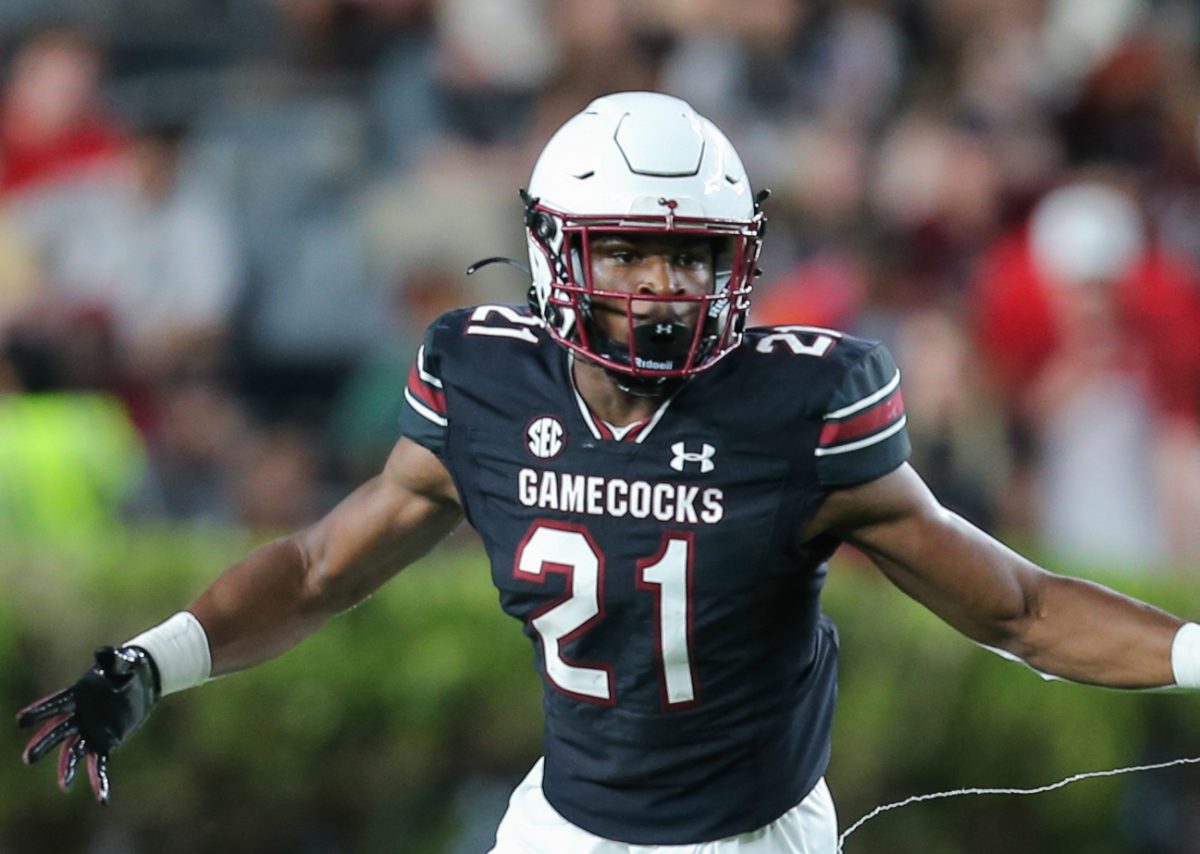













College football is known for its exciting rivalries, traditions, and most importantly, upsets. These three things make up the sport that millions of people watch every Saturday from September to January. However, as time goes on, these factors have begun to fade away thanks to NIL.
On July 21, 2021, the NCAA ruled that college athletes were allowed to profit from their name, image, and likeness, a term commonly abbreviated to NIL today. Since this ruling, NIL has expanded tremendously, and it has practically ruined college football.
Before we begin, I would like to say that college athletes SHOULD be paid, but there should be some form of limit on it.
When the NCAA policy regarding NIL came out, it was thought to finally give college athletes the compensation that they deserved for making their schools look as good as possible. However, NIL has led to what has now become a “free agency” for college football, giving schools with large budgets a great advantage.
Let’s look at the numbers. During the 2024 college football season, eventual champion Ohio State assembled a roster worth north of $20 million dollars. Meanwhile, TCU, who was the runner-up in 2023, spent less than half of that on their roster.
The result? TCU went from 11-2 and a championship berth to 11-10 over the last two seasons. Ohio State’s staff does outrank TCU’s, but the impact of NIL here cannot be dismissed.
In addition to TCU, smaller non-Power 4 (SEC, Big 10, Big 12, ACC) schools who found themselves in the expanded 12-team College Football Playoff last season, like Boise State last season and Tulane this season, found themselves struggling to keep up with the competition that spent heavily on their rosters. This isn’t a coincidence – this is a problem. If you want more teams in the College Football Playoff, give the actually deserving teams. There’s no reason that James Madison should be in while Notre Dame misses out.
College football used to be unexpected – who was going to fall out of the CFP race because they got upset? Now, it’s the opposite. It’s all about how badly Georgia is going to beat Charlotte or UMass. The NCAA has to implement some limitations to bring back the sport that we love, and if they don’t, we may lose that spark.